Inherited IRA Strategies for 2025 and Beyond
If you have inherited (or may someday inherit) an individual retirement account (IRA), the 2025 changes may significantly impact your tax planning.
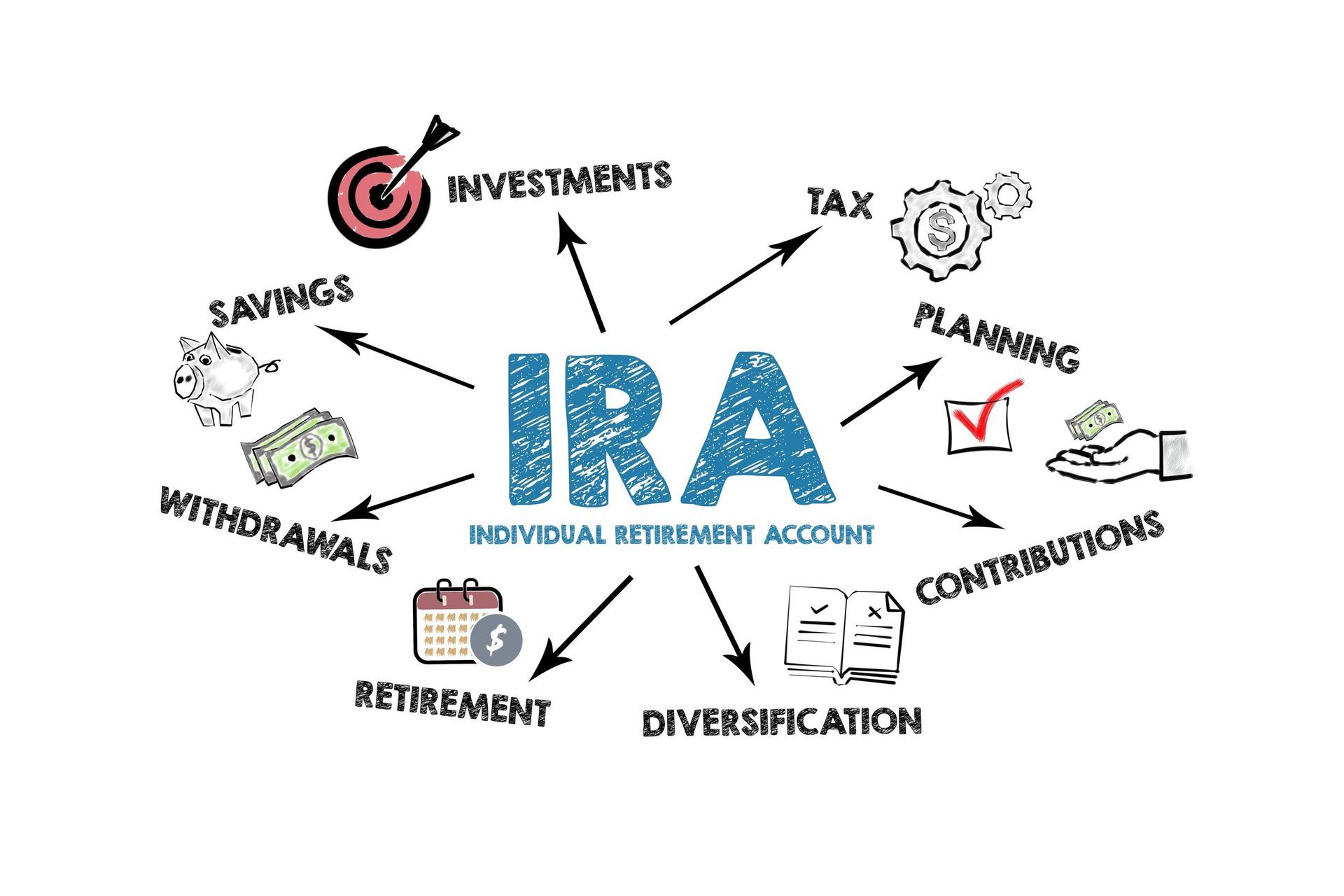
The SECURE 2.0 Act has significantly impacted the rules surrounding inherited IRAs. Now more than ever, it's essential to review your distribution strategy and explore potential tax-saving opportunities. This blog provides some key updates you need to make informed decisions and potentially reduce your tax liability on inherited IRA distributions.
KEY UPDATES FOR 2025
RMD requirements . Starting in 2025, annual required minimum distributions (RMDs) are mandatory for most inherited IRAs. Failure to comply may result in penalties of up to 25 percent, reducible to 10 percent if corrected promptly.
10-year rule enforcement. Non-spousal beneficiaries must fully deplete inherited IRAs within 10 years of the original owner’s death, with annual RMDs generally required.
What Are Required Minimum Distributions (RMDs)?
Required minimum distributions, often referred to as RMDs or minimum required distributions, are amounts that the federal government requires you to withdraw annually from traditional IRAs and employer-sponsored retirement plans after you reach age 73 (75 for those who reach age 73 after December 31, 2032), or in some cases, after you retire. You can always withdraw more than the minimum amount from your IRA or plan in any year, but if you withdraw less than the required minimum, you will be subject to a federal penalty.
The RMD rules are calculated to spread out the distribution of your entire interest in an IRA or plan account over your lifetime. The purpose of the RMD rules is to ensure that people don't just accumulate retirement accounts, defer taxation, and leave these retirement funds as an inheritance. Instead, required minimum distributions generally have the effect of producing taxable income during your lifetime.
Inherited IRAs and Retirement Plans
Your RMDs from your IRA or plan will cease after your death, but your beneficiary(ies) will have to take RMDs eventually. How much they are required to take and when they are required to them depend on whether they are eligible designated beneficiaries (EDBs) and whether you die before or after you began your own RMDs.
Generally speaking, EDBs may spread RMDs over their own life expectancy, while non-EDBs are typically required to liquidate the account within 10 years. A spouse who is the sole beneficiary may generally roll over an inherited IRA or plan account into an IRA in the spouse's own name or treat the account as his or her own, allowing the spouse to delay taking additional RMDs until he or she reaches RMD age.
As with required lifetime distributions, proper planning for required post-death distributions is essential. You should consult an estate planning attorney and/or a tax professional.
Note: The SECURE and SECURE 2.0 Acts dramatically changed the RMD rules for IRA assets inherited by most non-spouse beneficiaries. If your existing estate plan was set up based on the previous law on RMDs, and your assets include IRAs, you should consult with an attorney to review to avoid any unexpected tax surprises and to ensure your plan still works.

SECURE Act Change : 10-Year Rule
Before the SECURE Act of 2019 and the SECURE 2.0 Act of 2022, beneficiaries of inherited IRAs could “stretch” IRA distributions over their life expectancy, which has drastically changed by the two SECURE Acts. This old strategy no longer is available.
Most beneficiaries now are required to liquidate (empty) the inherited IRA by the end of the 10th year after the original account owner’s death to avoid penalties. This is known as the 10-year rule. Moreover, many beneficiaries of inherited IRAs are also required to take RMDs each year and liquidate them by the 10th year of the death. For example, if the decedent had already begun taking RMDs, an RMD may be required every year in the 10-year window. The only exception is the surviving spouse.
Categories of Beneficiaries :
Under the SECURE Acts, options for distribution requirements will differ by each category of beneficiaries.
-
Surviving spouses (Spousal beneficiaries) can assume ownership of the IRA or withdraw from it as a beneficiary. Roth IRAs offer additional flexibility, allowing for tax-free growth without RMDs.
-
"eligible designated beneficiaries" (EDBs) : EDBs are (1) Spouse or minor child of the deceased account holder; (2) disabled or chronically ill individual, or (3) individual who is not more than 10 years younger than the IRA owner or plan participant - typically siblings, friends or other individual beneficiaries close in age to the account owner.
EDBs generally benefit from more flexibility in how they withdraw funds from an inherited IRA - they can either take distributions over the longer of their own life expectancy and the employee’s remaining life expectancy or follow the 10-year rule if the account owner died before that owner’s required beginning date.
Minor children have until age 31 to deplete the account, with the 10-year rule beginning at age 21.
-
Designated beneficiaries (not an “eligible designated beneficiaries”): designated beneficiaries must follow the 10-year rule.
-
Beneficiaries that are not individuals should follow the 5-year rule (as if the account owner died before 2020). They must empty account by the 5th year following the year of the account holder’s death, but no withdrawals are required before the end of that 5th year.
IRA distributions are taxable, so this new 10-year rule impacts the tax planning for inherited IRAs for the beneficiaries. ROTH distributions are not taxable, but the impact of the 10-year rule should be considered and incorporated in your estate plan. For more information on beneficiaries, visit the IRS page for Retirement topics - Beneficiary.

Planning & Strategies
Tax
Strategic withdrawals can help you avoid higher tax brackets. For example, spreading withdrawals evenly over 10 years can minimize tax impact. Timing withdrawals based on expected tax rate changes can also optimize savings. Beneficiaries also should plan how to manage inherited IRA funds over a shorter timeframe, with tax consideration, personal financial goals or needs.
Estate Planning
If your existing estate plan was established before the SECURE Acts and includes IRAs, you should review the existing plan. Since most beneficiaries now have to withdraw the entire balance within a 10-year period, the impact on tax and inheritance should be revisited to ensure the estate plan still works as you intend. Also, if a trust is the beneficiary of an IRA, the default period for liquidation is 5 years, unless the trust is considered a see-through trust.

The SECURE Acts have brought significant changes that have a profound impact on your retirement income, tax strategy, and estate planning. It is critical to analyze your individual circumstances, understand the impact, determine the optimal RMD strategy on tax, and review or re-establish your estate planning strategies to accomplish your legacy goals. Contact us today to discuss further.